
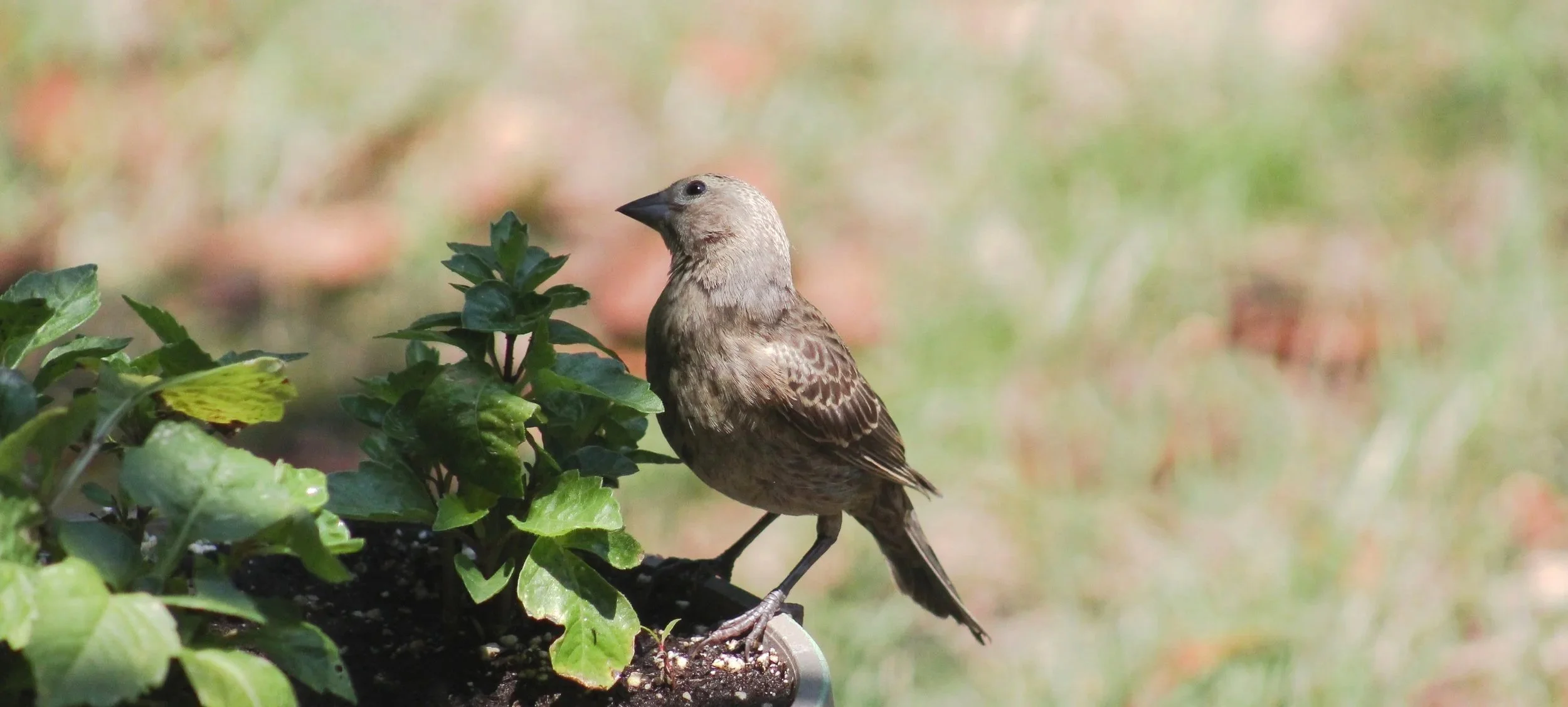
Birds bring beauty and joy to our lives, and they are also an essential part of our ecosystem. They pollinate plants, control pests, spread seeds and bring nutrients back into the earth. The San Diego region is home to more than 520 species of birds, more than any county in the U.S.
To learn more about our avian neighbors, each month we will feature a bird that you are likely to spot in Coronado.
August 2026
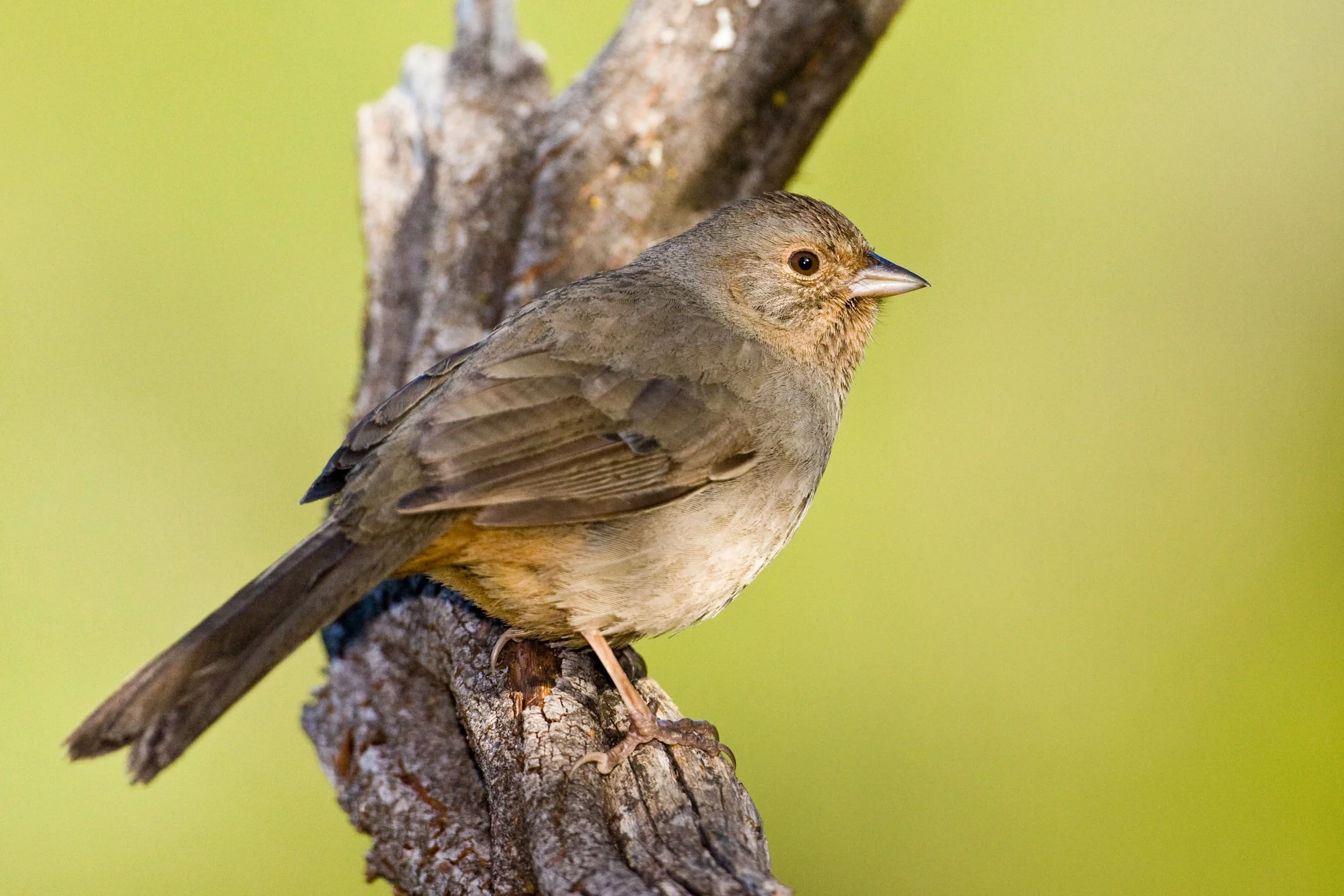
CALIFORNIA TOWHEE
The California towhee can be found all along the California coast. These birds are often seen in bushes and shrubs, including parks and gardens in Coronado.
Appearance: Males and females look identical with a plump, plain brown body, short broad wings, and a long, rounded tail. They have a distinct cinnamon-orange patch under their tail. California towhees are fiercely loyal and generally mate for life.
Sound: You will often hear the California towhee before seeing it. They have a loud, sharp, simple, metallic tone, which is often repeated.
Diet: Primarily ground-feeders, their diet consists mostly of seeds and berries, supplemented by insects, such as grasshoppers and beetles, during the breeding season.
Climate threats: Although the California towhee population has declined somewhat due to loss of habitat, these birds are still very common.
July 2026
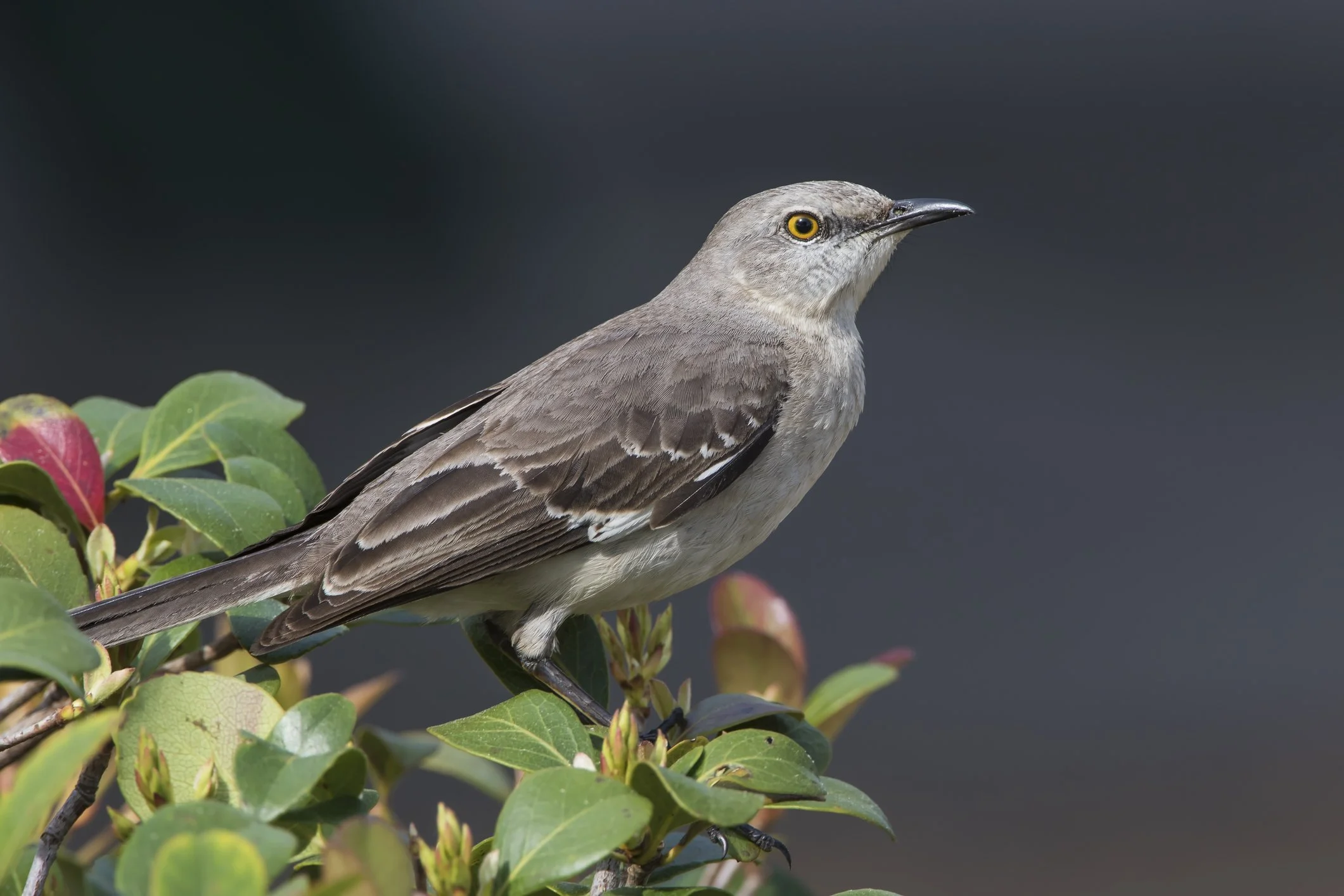
NORTHERN MOCKINGBIRD
A year-round resident in Coronado, mockingbirds are frequently seen on telephone wires, in low shrubs or on lawns foraging for food. They build their nests in trees or shrubs with dense screening foliage or protective thorns. They are highly territorial and will boldly defend their homes, often diving at cats, dogs, or even humans that get too close to their nests.
Appearance: Mockingbirds are medium-sized, slim, with a long, rounded tail and a thin, slightly down-curved black bill. Males and females look very similar. Their upper bodies are brownish gray, their under sides are pale gray to white, and their dark wings have prominent white patches. Two white wing bars, visible when perched, open into large, white wing flashes in flight.
Sound: These songbirds imitate other birds – and even car alarms and sirens – repeating each sound three or more times. Unmated males will sing through the night during the spring and early summer, loudly declaring their territory to attract a mate. They will also continue their nightly serenades during nesting season to defend their territory.
Diet: Mockingbirds eat insects in late spring and summer, often foraging on the ground, and berries in fall and winter.
Climate threats: Wildfires and urbanization. The proliferation of artificial turf reduces habitat for insects such as worms, a major food source of mockingbirds.
June 2026
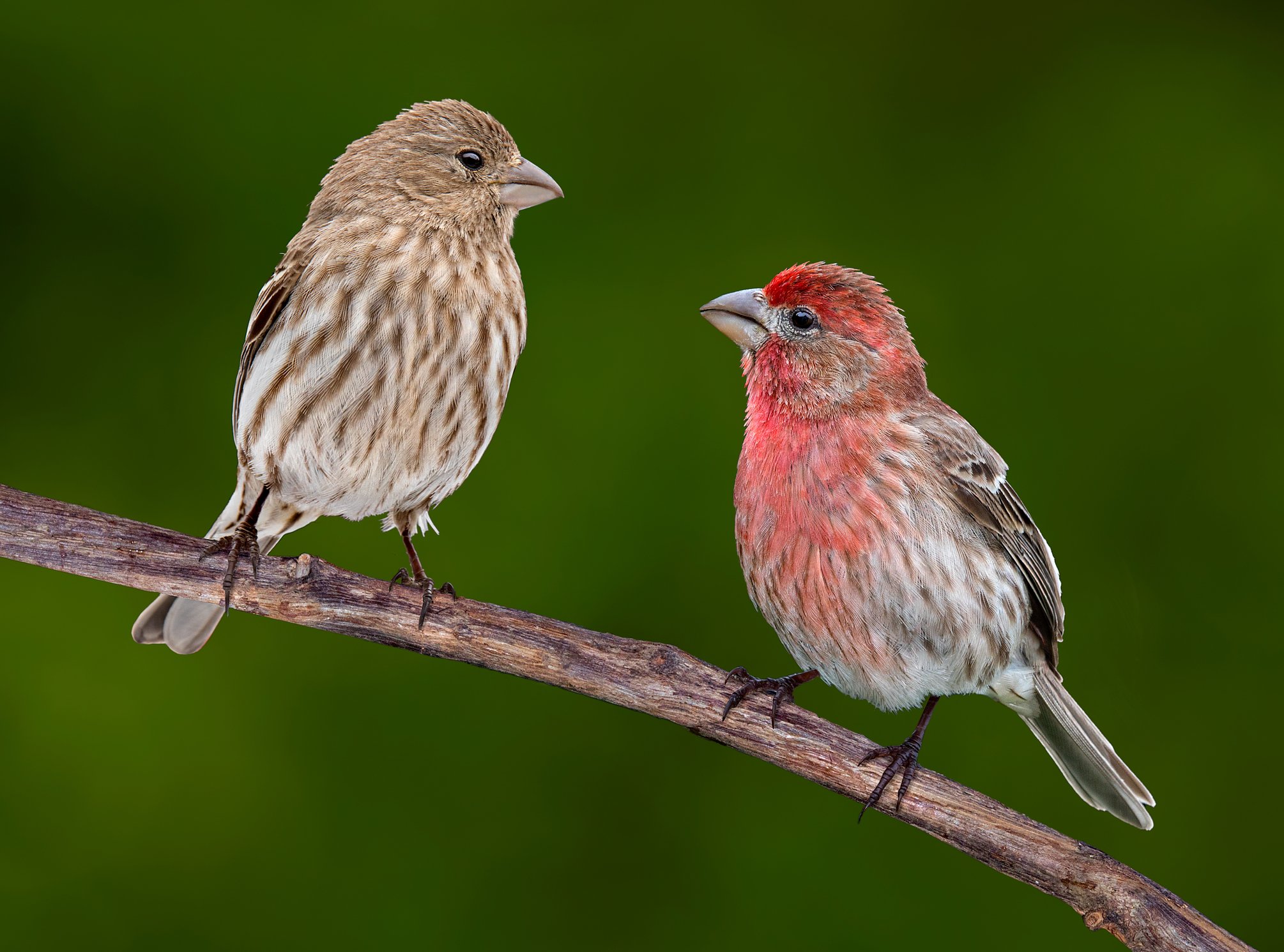
HOUSE FINCH
Now found from coast to coast, this highly adaptable songbird is native to the western U.S and Mexico. House finches, which gather in flocks, are the most abundant bird in the region.
Appearance: Females and young house finches have plain brown faces and blurry stripes over pale underparts, while male house finches have red eyebrows and foreheads contrasting with brown caps.
Sound: Male house finches sing a jumbled warbling song composed of short notes. The song often ends with an upward or downward slur and lasts about 3 seconds. Females usually have a shorter, simpler version of the song. (Click here to listen to their songs and calls.)
Diet: Finches feed their young exclusively regurgitated plant matter, a fairly rare occurrence in the bird world. House finches flock to backyard bird feeders, favoring sunflower seeds, thistle, and native berries. If you have a bird feeder, these are likely your most frequent customers.
Climate threat: Spring heat waves endanger young birds in the nest.
Information on local birds can be found on the National Audubon Society website.